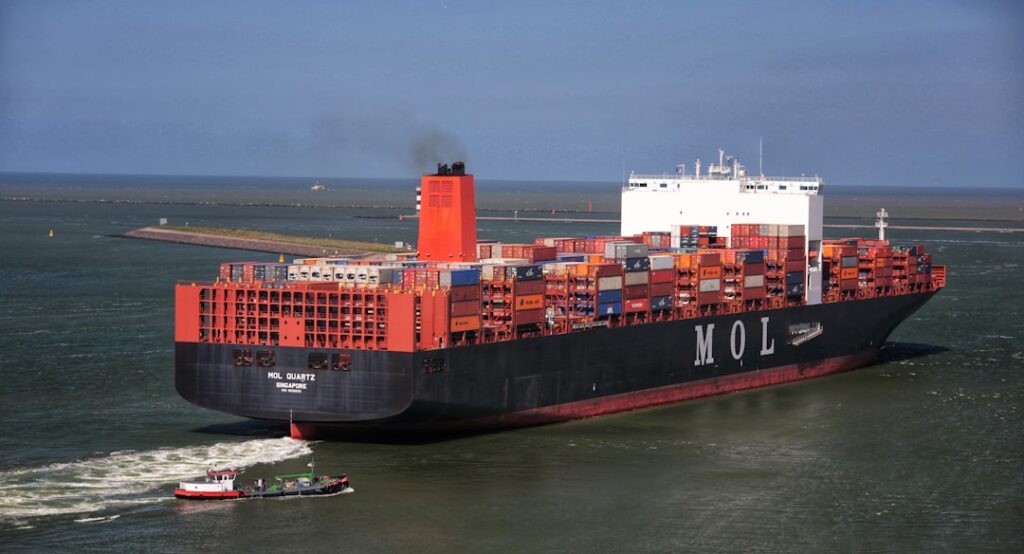
The marine transportation industry plays a vital role in global trade, facilitating the movement of goods and passengers across the world’s oceans and waterways. As technology continues to advance, enterprises operating in this sector are constantly seeking innovative solutions to improve efficiency, sustainability, and overall performance.
Efficient management of marine transportation operations is crucial for companies to remain competitive and meet the growing demands of the global market. By implementing cutting-edge enterprise solutions tailored to the unique challenges of the industry, organizations can streamline processes, optimize routes, and enhance overall productivity.
Evolution of Technology in Marine Transportation Sector
Marine transportation has experienced a significant transformation in recent years, largely driven by advancements in technology. Innovations such as autonomous vessels, real-time monitoring systems, and blockchain applications have revolutionized the way goods are transported across the seas.
The introduction of Electronic Chart Display and Information System (ECDIS) has greatly enhanced navigation accuracy and safety in marine transportation. This technology allows ships to display electronic navigation charts, reducing the risk of human error and improving overall efficiency.
The integration of Internet of Things (IoT) devices on ships has enabled real-time monitoring of various parameters such as engine performance, fuel consumption, and weather conditions. This data-driven approach helps optimize route planning, maintenance schedules, and fuel efficiency.
Blockchain technology has also made its mark in the marine transportation sector, offering secure and transparent transactions for cargo shipments. Smart contracts streamline contractual processes, reducing delays and ensuring smoother operations.
Looking ahead, the evolution of technology in the marine transportation sector shows no signs of slowing down. Continued investments in research and development are expected to bring about even more innovative solutions that will further optimize operations and drive sustainability in the industry.
Implementing Sustainable Practices in Marine Transportation
Sustainable practices in marine transportation are becoming increasingly crucial as the industry strives to minimize its environmental impact.
One important aspect of implementing sustainable practices is reducing emissions from vessels, which can be achieved through the use of cleaner fuels and technologies.
Another key factor in sustainability is the efficient use of resources, such as optimizing routes to reduce fuel consumption and waste generation.
Implementing sustainable practices not only benefits the environment but also helps companies reduce costs in the long run by promoting efficiency and resource conservation.
Engaging in sustainable practices can enhance a company’s reputation and attract environmentally-conscious clients and partners.
The implementation of sustainable practices in marine transportation is essential for the industry to evolve in a responsible and environmentally-friendly manner.
Collaboration and Integration in Supply Chain Management
The seamless operation of supply chains in the marine transportation industry relies heavily on effective collaboration between various stakeholders. By fostering strong relationships with suppliers, shippers, and other partners, companies can ensure a smooth flow of goods and materials.
Integration of technology plays a crucial role in streamlining supply chain management processes. From automated tracking systems to digital communication platforms, integrating technologies can enhance visibility and efficiency throughout the supply chain.
Effective collaboration not only improves operational efficiency but also fosters innovation within the supply chain. By exchanging ideas and best practices, companies can continuously find ways to optimize processes and reduce costs.
Embracing a collaborative and integrated approach to supply chain management can also lead to enhanced risk management. By sharing data and insights with partners, companies can better anticipate and mitigate potential disruptions in the supply chain.
Through collaborative efforts and integrated systems, companies can create a more resilient and adaptive supply chain that can respond effectively to changing market conditions and customer demands.
Importance of Enterprise Solutions for Efficiency in Operations
Enterprise solutions play a crucial role in enhancing the efficiency of operations within the marine transportation sector. By implementing advanced technology and software systems, companies can streamline processes and improve overall performance.
Efficiency is paramount in the highly competitive marine transportation industry, where time-sensitive operations and cost-effective solutions are essential for success. Enterprise solutions offer a comprehensive approach to managing various aspects of the business, from logistics to communication and compliance.
With the ever-changing demands and regulations in the maritime sector, the adoption of enterprise solutions provides a strategic advantage to companies looking to stay ahead of the curve. By integrating different systems and tools, organizations can optimize their operations and adapt to new challenges efficiently.
The implementation of enterprise solutions enhances transparency and data accuracy, facilitating better decision-making processes and strategic planning. Real-time insights and analytics allow businesses to identify potential bottlenecks and areas for improvement, leading to more informed and effective operations.
The importance of enterprise solutions for efficiency in operations cannot be overstated in the marine transportation sector. As companies strive to meet the growing demands of the industry, leveraging advanced technology and integrated systems is key to optimizing performance and achieving sustainable growth.
Enhancing Safety and Security Through Advanced Solutions
Ensuring safety and security in the marine transportation industry is paramount to protect both crew members and cargo. Advanced solutions play a crucial role in enhancing these aspects, providing real-time monitoring and alerts in case of emergencies.
One of the main benefits of implementing advanced safety and security solutions is the ability to prevent potential risks before they escalate. By utilizing technologies such as GPS tracking, surveillance cameras, and sensor systems, maritime companies can proactively address any security threats.
These advanced solutions enable stakeholders to have better control and oversight of their vessels and overall operations. By integrating these technologies into their systems, companies can streamline their safety protocols and response mechanisms.
Advanced safety and security solutions are essential for complying with regulatory requirements and industry standards. Implementing these technologies not only ensures the protection of assets and personnel but also helps in meeting the necessary compliance criteria.
The utilization of advanced solutions for enhancing safety and security in marine transportation is indispensable in the modern industry landscape. By investing in these technologies, companies can mitigate risks, improve operational efficiency, and ultimately safeguard their workforce and assets.
Future Trends and Innovations in Marine Transportation Industry
The marine transportation industry is constantly evolving, with new technologies and innovations shaping the way goods are transported across the seas. As we look towards the future, several key trends are emerging that are likely to have a significant impact on the industry.
One of the most prominent trends is the shift towards autonomous vessels. With advancements in artificial intelligence and sensor technology, fully autonomous ships are becoming a reality. These vessels have the potential to revolutionize the industry by increasing efficiency and reducing the risk of human error.
Another important trend is the focus on sustainability and environmental conservation. As concerns about climate change grow, there is a push towards cleaner and more fuel-efficient ships. This has led to the development of new propulsion systems and the use of alternative fuels such as LNG and hydrogen.
Big data and analytics are also playing an increasingly important role in the marine transportation sector. By harnessing the power of data, companies can optimize their routes, improve fuel efficiency, and enhance overall operational performance.
The rise of digitalization is another trend that is reshaping the industry. From blockchain technology to digital twins, the digital transformation of the marine transportation sector is creating new opportunities for innovation and efficiency.
Looking ahead, it is clear that the marine transportation industry is on the brink of a technological revolution. By embracing these future trends and innovations, companies can stay ahead of the curve and drive continued growth and success in the industry.
Conclusion
The use of enterprise solutions in the marine transportation sector plays a crucial role in enhancing efficiency and effectiveness in operations. By implementing sustainable practices, collaborating and integrating supply chain management, and enhancing safety and security through advanced solutions, companies in the industry can achieve significant improvements in their processes.
Looking ahead, it is evident that future trends and innovations will continue to shape the marine transportation industry. Embracing these advancements will not only contribute to the sector’s growth but also lead to more sustainable and secure operations. As the industry evolves, it is essential for businesses to stay agile and adaptable to remain competitive and meet the changing needs of the market.